

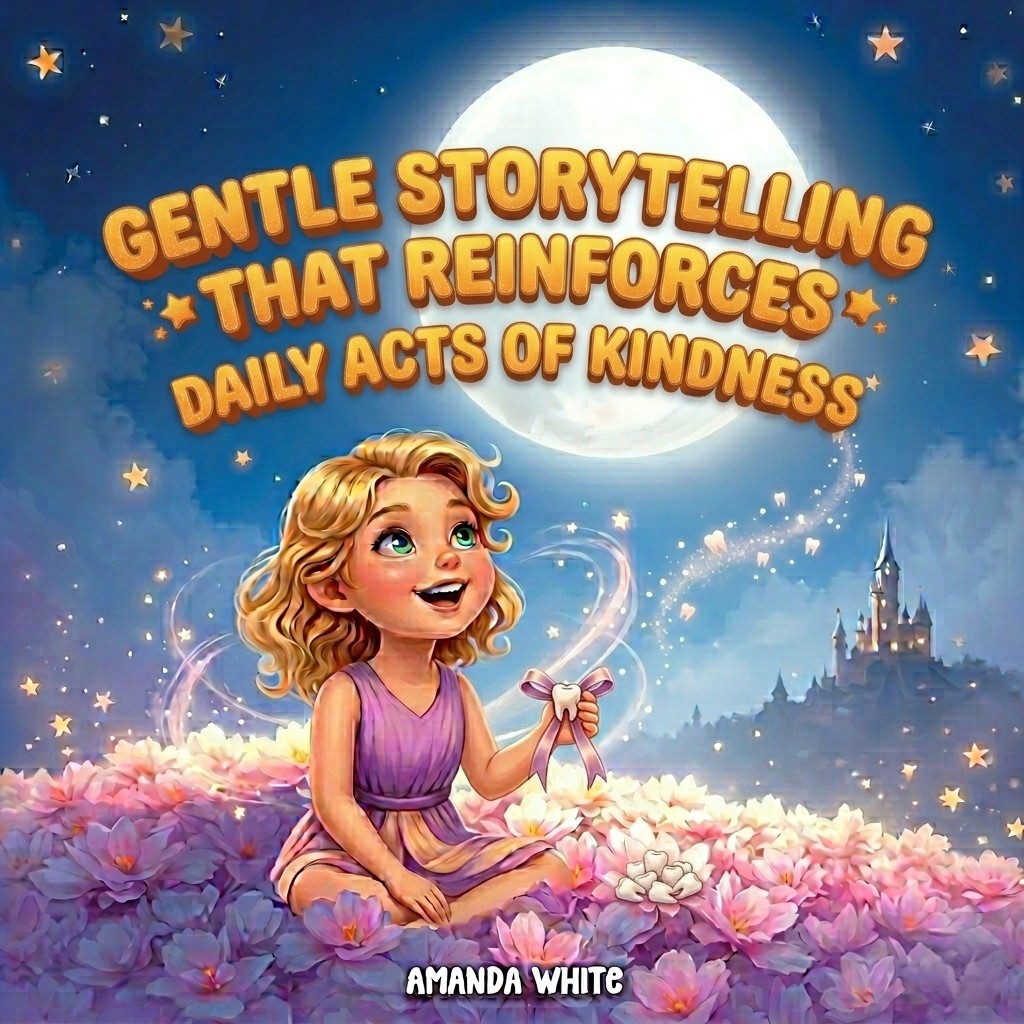
In today’s fast-paced world, children are often bombarded with flashy media and instant rewards. Amid this constant stimulation, gentle storytelling offers a calm, reflective space where children can explore emotions, relationships, and moral choices. Stories that emphasize kindness, empathy, and consideration for others help children develop essential social and emotional skills. When woven into daily routines, these tales provide a subtle but powerful framework for reinforcing acts of kindness from sharing a toy to comforting a friend.
Through gentle narratives, children not only enjoy enchanting worlds but also internalize the lessons embedded in character decisions, interactions, and consequences. Parents and educators can use these stories as springboards to model, discuss, and encourage everyday kindness.
Why Gentle Storytelling Matters
Gentle storytelling is distinct from fast-paced, action-driven narratives. It prioritizes rhythm, tone, and emotional depth over high-stakes drama. This style helps children absorb lessons at their own pace, allowing the story to resonate on a deeper level.
In stories where characters act with care, such as helping a lost friend, noticing someone’s feelings, or performing small, thoughtful gestures. Children see practical examples of kindness in action. Unlike moralistic lectures, these tales present kindness as natural and rewarding. By engaging with the story, children can empathize with characters and imagine themselves making similar choices, building a foundation for compassionate behavior in real life.
Modeling Kindness Through Characters
One of the most effective ways storytelling reinforces kindness is through relatable characters. Whether it’s a small fairy sharing magical light with a friend, a young animal helping others find their way, or a human protagonist performing simple acts of generosity, characters provide living examples of how kindness works.
For instance, a story about a young fairy helping a lost firefly teaches children that even small gestures can make a big difference. By observing the fairy’s thoughtful choices, children learn to recognize opportunities for kindness in their own environment. Parents can enhance the lesson by pausing during the story to ask questions like, “How do you think the firefly felt when she helped?” or “What would you do in that situation?” These reflective moments help children internalize empathy and kindness, connecting narrative experiences to real-life behavior.
Encouraging Reflection and Daily Practice
Stories become even more impactful when paired with reflection and practice. After reading, parents and educators can guide children to think about how they can apply the story’s lessons in their own lives. Simple discussion prompts such as “What kind thing can you do for someone today?” or “How did the character help their friend feel better?” encourage children to notice opportunities for compassion.
Integrating storytelling into daily routines reinforces this learning. A bedtime story about helping others, followed by a small act of kindness the next day, creates a continuous loop where narrative examples inspire real-world behavior. Over time, these small, consistent actions become habits, helping children internalize the value of generosity and thoughtfulness.
The Role of Emotion in Kindness
Gentle storytelling often emphasizes the emotional impact of actions, helping children connect cause and effect. When characters act with kindness, the story shows the positive outcomes not just externally but emotionally, for both the giver and receiver.
For example, a child reading about a character comforting a sad friend sees that their actions can bring relief, happiness, or gratitude. This emotional feedback helps children understand the real-world significance of kindness. They learn that thoughtful actions affect others and that being considerate can create positive feelings for everyone involved. By reinforcing this emotional connection, gentle storytelling encourages children to act kindly even when there is no immediate reward.
Practical Ways to Reinforce Story Lessons
Parents and educators can take several practical steps to make gentle storytelling a daily tool for kindness:
- Story-Based Role-Play: Encourage children to act out scenes where characters demonstrate kindness, reinforcing empathy through imaginative practice.
- Kindness Journals: Have children note or draw daily acts of kindness inspired by the story, promoting reflection and self-awareness.
- Family or Classroom Challenges: Set small, achievable kindness goals like complimenting a friend or helping with a chore, and celebrate progress.
- Discussion Circles: After reading, invite children to share how they felt about the characters’ actions, encouraging dialogue and moral reasoning.
These approaches bridge the gap between narrative and action, helping children apply the story’s lessons to real life in a meaningful way.
The Lasting Impact of Gentle Storytelling
Gentle storytelling offers more than entertainment; it nurtures empathy, emotional intelligence, and ethical awareness. Children who engage with these stories learn that kindness is not just an occasional act but a way of interacting with the world. They see that thoughtful, caring behaviors can have tangible and emotional effects, and they begin to internalize these lessons as part of their character.
By embedding these narratives into daily routines such as bedtime, storytime at school, or quiet moments at home. Parents and educators create a rhythm of reflection and action. Children develop both the desire and the skills to engage in acts of kindness consistently, helping them navigate social relationships and challenges with compassion and confidence.
Conclusion: Storytelling as a Tool for Kindness
Stories are powerful mirrors for children, reflecting the behaviors, values, and emotions that help them grow. Gentle storytelling, in particular, emphasizes empathy, patience, and compassion, showing that small acts of kindness can make a meaningful difference. By combining narrative engagement with reflection and practical application, children internalize these lessons and begin to practice them daily.
In a world that often moves too quickly, gentle storytelling provides a calm, reflective space where children learn that kindness is not just an idea, it is an everyday habit. Through these narratives, children discover that thoughtful actions, consideration for others, and empathy are the foundation of meaningful connections and a fulfilling life.