

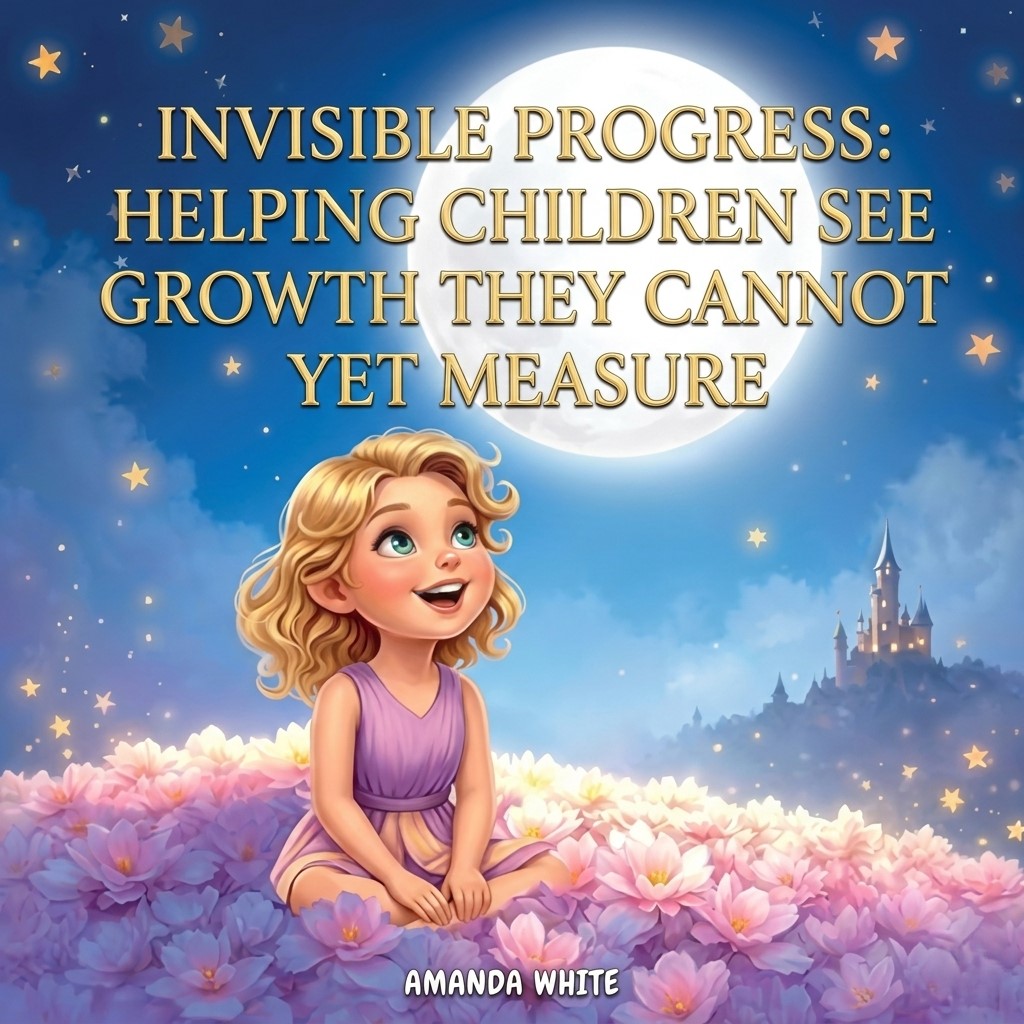
Introduction: Why Kids Feel Stuck in Waiting
Childhood is full of waiting. Waiting to grow taller. Waiting to read bigger books. Waiting to ride the “big kid” rides. Waiting to be trusted with more responsibility. For many children, growth feels like a doorway that never opens quickly enough.
In a world that celebrates speed and visible achievement, children can easily feel stuck. They compare themselves to siblings, classmates, or even fictional heroes. When milestones do not arrive on schedule or as quickly as they hoped. They may quietly wonder, What’s wrong with me?
This sense of being “behind” can create frustration and self-doubt. Yet much of childhood development is invisible. Emotional strength, empathy, and resilience are all qualities that rarely show up on a chart or certificate. They form slowly, often unnoticed.
That’s where the symbolism of wings becomes powerful. The idea that wings shimmer into existence during sleep offers a beautiful metaphor: growth happens even when we cannot see it.
The Symbolism of Wings Blooming Unseen
Wings have long symbolized readiness and transformation. They represent freedom, confidence, and the ability to rise. But in many gentle stories, wings do not burst forth dramatically in daylight. They form quietly, often during rest.
This imagery speaks directly to the child who feels stuck. It suggests that progress does not require constant striving. Some growth happens beneath the surface, like roots spreading underground before a tree grows taller.
The concept of wings blooming unseen reassures children that waiting is not wasted time. Sleep, stillness, and slow seasons are not empty. They are sacred spaces of becoming.
When a child hears that wings grow during the night, it reframes their perspective. Instead of asking, “Why haven’t I changed yet?” they begin to trust that something is unfolding within them.
This metaphor also softens impatience. It invites children to rest without anxiety, knowing that growth continues even in quiet moments.
Wings shimmering in the dark remind us that transformation is not always loud. Sometimes, it is gentle and gradual.
Emotional Growth vs. Physical Growth
Physical growth is measurable. Parents track height against walls. Shoes are replaced when they no longer fit. Teeth fall out, and new ones appear.
Emotional growth, however, is harder to quantify. A child’s increasing patience, deeper empathy, or stronger self-control may not be immediately visible. Yet these qualities are far more significant than an extra inch of height.
When children equate growth solely with physical milestones, they may overlook their internal progress. They may not notice that they handled disappointment better than last month. They may not realize that they shared more willingly or spoke more kindly.
The symbolism of wings forming during sleep helps bridge this gap. Wings represent emotional readiness rather than physical size. They appear not because time has passed, but because character has strengthened.
This distinction is crucial. Emotional growth prepares children for life’s complexities. It shapes how they navigate friendships, manage setbacks, and express themselves.
By emphasizing unseen development, we teach children to value who they are becoming, not just how they appear.
Encouraging Children During Slow Seasons
Every child experience season where growth feels stalled. Learning plateaus. Social challenges arise. Confidence wavers.
During these times, encouragement matters deeply.
Parents can help by shifting the focus from outcomes to effort. Instead of emphasizing achievements, highlight persistence. Instead of comparing progress to others, celebrate personal milestones.
It’s also helpful to normalize slow seasons. Nature offers countless examples: seeds germinate underground long before sprouting. Caterpillars dissolve into something entirely new before emerging as butterflies. Growth is rarely linear.
Language plays a powerful role. Saying, “You are still growing,” or “You are learning something important right now,” reassures children that they are not behind, but they are in process.
Creating rituals around reflection can also help. At bedtime, ask questions like:
- “What did you try today that felt hard?”
- “What did you learn about yourself?”
- “Where did you show kindness?”
These conversations illuminate invisible progress. They help children see the shimmer of their forming wings.
Most importantly, adults must embody patience themselves. When parents trust the process, children are more likely to do the same.
Practical Affirmations Parents Can Use
Affirmations are simple but powerful tools for reinforcing trust in slow growth. Spoken consistently, they shape a child’s inner dialogue.
Here are practical affirmations parents can weave into daily life:
- “You are growing, even when you can’t see it.”
- “Your heart is getting stronger every day.”
- “It’s okay to take your time.”
- “Mistakes help your wings grow.”
- “You don’t have to rush to become who you are meant to be.”
- “I’m proud of the effort you are making.”
- “Every day, you are learning something new.”
These phrases shift attention from comparison to confidence. They teach children that growth is steady, not sudden.
Bedtime is an especially meaningful moment for affirmations. As children drift toward sleep, their minds become more receptive. Whispering reassurance in those quiet moments reinforces the symbolism: wings are forming now.
Over time, these affirmations become internalized. The child begins to comfort themselves with similar thoughts. Their self-talk grows gentler.
Conclusion: Trusting the Process of Becoming
In a culture that prizes speed, the image of wings forming during sleep offers a needed reminder: becoming cannot be rushed.
Children may not see their own progress day by day. They may feel stuck between who they were and who they hope to be. But beneath the surface, character is developing. Patience is strengthening. Compassion is deepening.
The shimmer of unseen wings teaches trust, trust in timing, trust in growth, and trust in the quiet work of becoming.
When we help children value emotional development as much as physical milestones, we free them from the pressure of comparison. We permit them to bloom at their own pace.
And perhaps that is the greatest gift we can offer: the assurance that even in waiting, something beautiful is taking shape.
So, when the day feels slow and progress seems invisible, remember the wings.
They are forming softly and steadily in the stillness of sleep.