

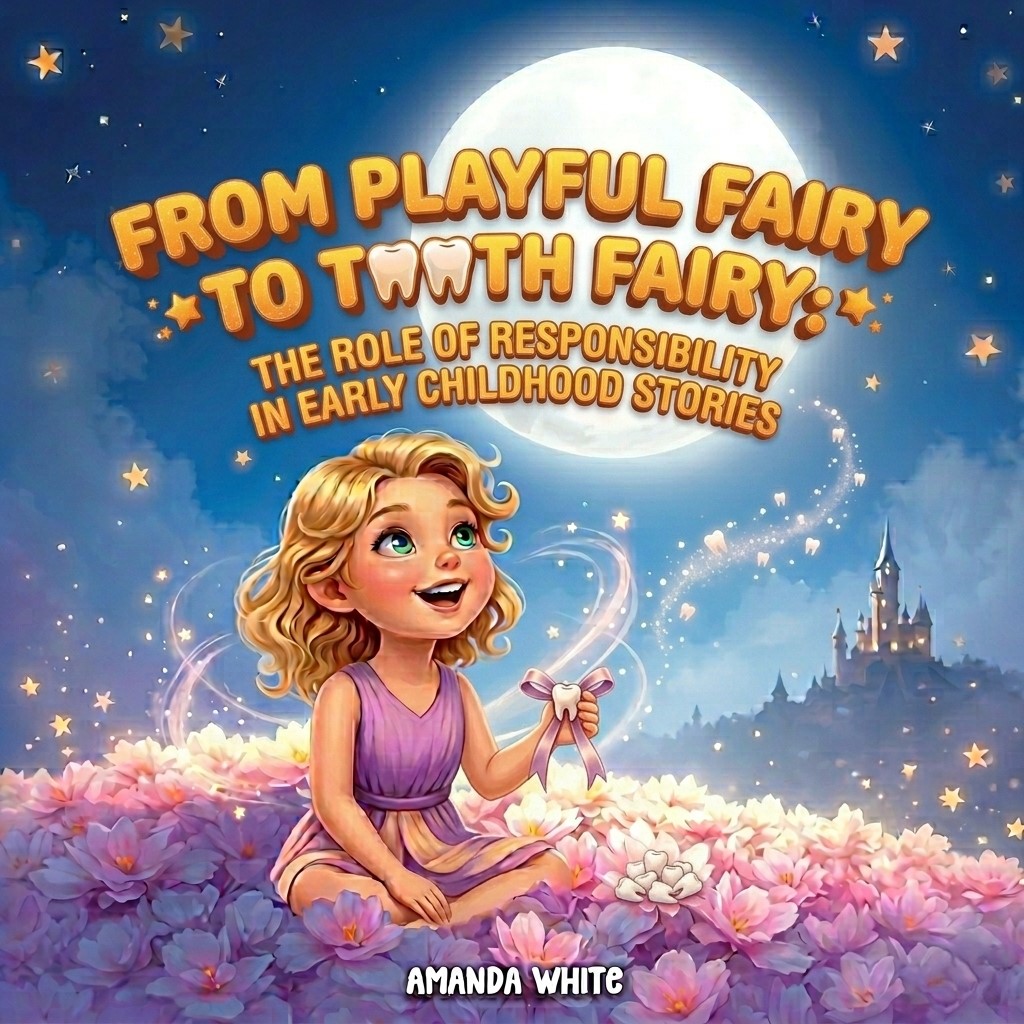
Children’s stories are often filled with magic, adventure, and whimsy, capturing young imaginations and sparking joy. Yet, beneath the enchanting tales, many early childhood stories carry a subtle but important lesson: the development of responsibility. Characters like playful fairies, magical helpers, or even the beloved Tooth Fairy model behaviors that teach children how to care for themselves and others, make thoughtful choices, and follow through on commitments.
By exploring responsibility through fantasy, children can grasp complex concepts in ways that feel fun and engaging rather than forced. Stories provide a safe, imaginative space for kids to see the consequences of actions, practice decision-making, and internalize values that will shape their behavior in real life.
Playful Fairies and the Seeds of Responsibility
Many early childhood stories introduce young readers to playful fairies such as mischievous, curious, and full of energy. While their adventures are entertaining, these characters often face situations that require more than fun: they must learn to take care of their environment, help friends, or complete tasks that affect others.
For instance, a story might show a young fairy accidentally scattering magical dust and then working to clean it up. Through this narrative, children learn that actions have consequences and that making amends is part of being responsible. Parents can reinforce these lessons by discussing the fairy’s choices: “How did she fix the mistake?” or “What might have happened if she ignored it?” By framing responsibility as both a challenge and an opportunity, children begin to understand accountability in an accessible, relatable way.
The Tooth Fairy: Responsibility in Action
The Tooth Fairy is a classic example of a character whose very role embodies responsibility. In stories where the Tooth Fairy collects teeth and leaves coins or small gifts in return, children see an organized, reliable character who follows through on promises. Even though the Tooth Fairy’s work is magical, the underlying message is grounded in trust, dependability, and ethical behavior.
For children, this can translate to real-life actions: keeping promises to friends, completing chores, or following routines at school. By associating responsibility with something familiar and enchanting, children are more likely to adopt these behaviors naturally. They learn that being responsible is not just a rule, but it is a rewarding way to interact with the world and gain the trust of others.
Responsibility as a Growth Skill
Early childhood stories often put their core emphasis on gradual growth. Just as a playful fairy grows into a more capable figure or the Tooth Fairy fulfills her duties with care, children learn that responsibility develops over time. Characters frequently face small challenges that build competence, patience, and confidence.
For example, a young fairy tasked with delivering magical messages might initially forget or make mistakes, but gradually learns organization and consistency. These narratives teach children that developing responsibility is a process, not an overnight achievement. Parents can support this learning by giving children age-appropriate tasks and praising incremental progress: “You remembered to tidy your toys today, that’s responsible behavior!” Recognizing small steps helps children connect story lessons to their own lives.
Moral and Emotional Lessons Through Responsibility
Responsibility in early childhood stories is not just about completing tasks; it also teaches moral and emotional growth. Characters who act responsibly often demonstrate empathy, fairness, and consideration for others. When a fairy returns a lost item, or the Tooth Fairy honors her nightly duties, children witness ethical behavior in action.
These stories encourage children to see that responsibility involves more than personal gain. It’s about understanding how actions affect others and making choices that are thoughtful and kind. Discussing story moments with children raises questions like, “How do you think the friend felt when the fairy helped?” Promoting reflection, perspective-taking, and emotional intelligence are all of which are essential components of responsible behavior.
Practical Ways to Reinforce Responsibility
Parents and educators can extend the lessons from playful and Tooth Fairy stories into daily life:
- Chores and Daily Routines: Assign small, manageable tasks that children can complete independently, such as setting the table or feeding a pet.
- Follow-through Activities: Encourage children to finish art projects, puzzles, or stories they start, reinforcing consistency and accountability.
- Story Reflection: After reading, ask children to identify moments of responsibility in the story and relate them to their own actions.
- Role-Playing: Children can act out story scenarios, practicing decision-making, problem-solving, and ethical behavior in a fun, interactive way.
These strategies help children see responsibility not as a chore, but as a meaningful and empowering skill they can practice daily.
From Imagination to Real Life
Fantasy characters provide a bridge from imagination to real-world behavior. When children see fairies learning lessons, completing tasks, or keeping magical promises, they are inspired to emulate similar behaviors. Responsibility becomes not just an expectation, but a part of the way they interact with family, friends, and their environment.
Stories like these also reinforce the idea that mistakes are opportunities to learn rather than failures to fear. A playful fairy who forgets a task but works to fix it shows that responsibility includes reflection, problem-solving, and perseverance, all vital life skills.
Conclusion: Nurturing Responsibility Through Early Childhood Stories
From playful fairies learning lessons to the dependable Tooth Fairy, early childhood stories provide a magical framework for teaching responsibility. By embedding these lessons in enchanting narratives, children learn that accountability, follow-through, and consideration for others are not only important but they can also be exciting and rewarding.
Parents and educators who leverage these stories help children develop essential life skills: understanding consequences, making thoughtful decisions, and nurturing empathy. By connecting fantasy with practical experiences, responsibility becomes a natural part of childhood growth, preparing children to navigate the real world with integrity, care, and confidence.
In the end, the journey from playful fairy to responsible hero teaches children that responsibility is not a burden, but it is a magical part of becoming their best selves.