

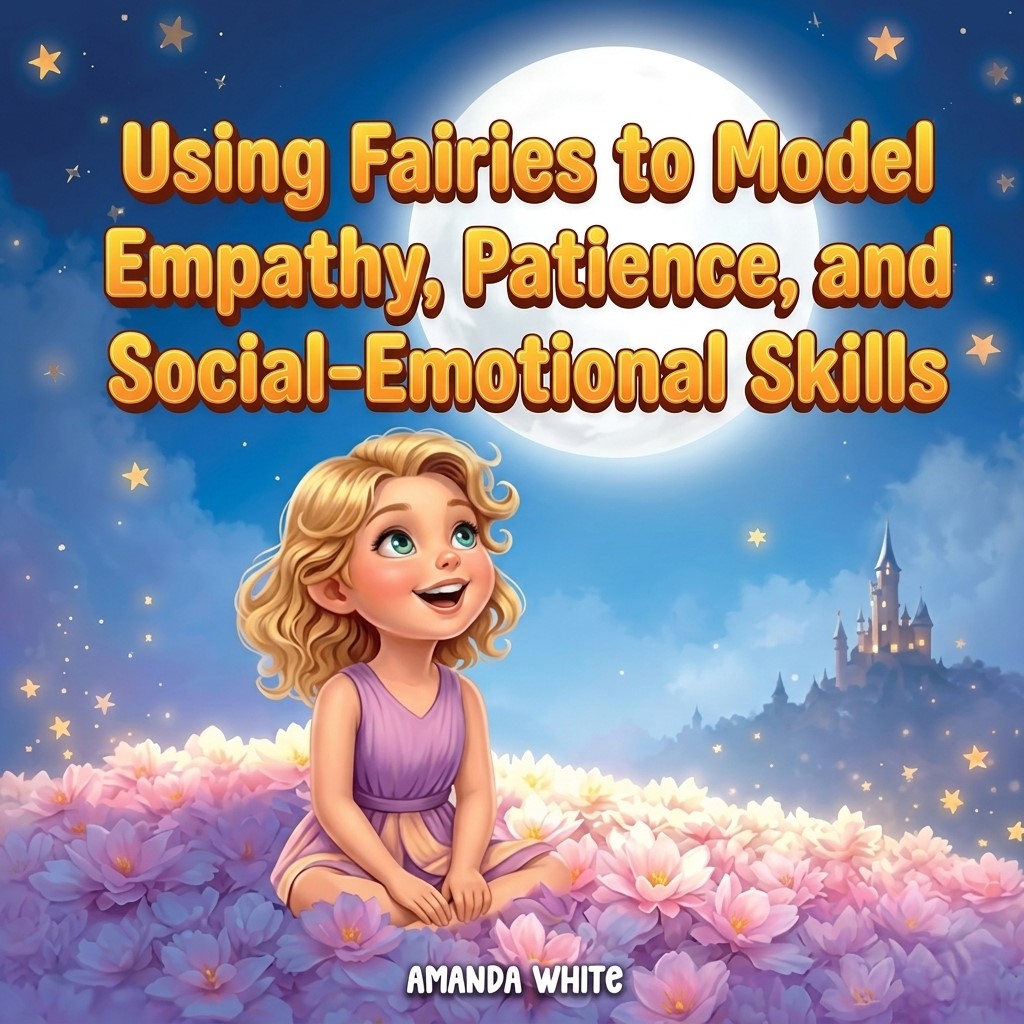
Fantasy has always held a special place in childhood. Among the most beloved figures in magical storytelling are fairies. Small, luminous beings are often portrayed as gentle helpers, curious learners, and compassionate friends. While fairies sparkle with enchantment, their real power in children’s literature lies in their ability to model empathy, patience, and social-emotional skills in ways that feel safe, imaginative, and deeply engaging.
When thoughtfully written, fairy stories become more than whimsical adventures. They serve as mirrors and mentors, guiding children through the quiet work of emotional growth.
Why Fairies Make Powerful Emotional Role Models
Fairies are uniquely positioned to model emotional intelligence because they often exist in close-knit magical communities. They collaborate, help one another, and learn lessons about responsibility and kindness. Their small size and gentle nature also make them relatable to young children who are still navigating a big and sometimes overwhelming world.
Unlike superheroes who rely on strength or dramatic rescues, fairies often solve problems through listening, cooperation, and thoughtful choices. This subtle problem-solving approach mirrors real-life social interactions children encounter daily, such as sharing toys, resolving disagreements, waiting their turn, or comforting a friend.
Because fairies operate in magical settings, difficult emotional situations can be explored without overwhelming realism. A fairy helping a lost firefly find its way home, for example, gently introduces themes of empathy and reassurance without triggering fear or anxiety. Children learn through metaphor, absorbing lessons without feeling lectured.
Modeling Empathy Through Fairy Stories
Empathy begins with perspective-taking, the ability to understand how someone else feels. Fairy stories naturally encourage this skill. When a fairy notices that a forest creature is sad or frightened and chooses to help, the story invites children to pause and consider emotions beyond their own.
For instance, imagine a fairy who accidentally dims another fairy’s glow during play. Instead of ignoring the mistake, she notices her friend’s disappointment and apologizes. This small narrative moment teaches several important skills at once:
- Recognizing another’s emotional cues
- Taking responsibility
- Offering repair through apology or kindness
Parents and educators can extend these lessons by asking reflective questions during or after the story:
- “How did the other fairy feel?”
- “What could she do to make things better?”
- “Have you ever helped someone feel better?”
These discussions strengthen emotional vocabulary and normalize compassionate responses.
Teaching Patience Through Magical Growth
Patience is often difficult for young children because they live in the present moment. Fairy stories frequently include themes of gradual growth, wings that develop slowly, magical abilities that require practice, or garden seeds that bloom over time.
When a fairy practices flying each day, experiencing small improvements instead of instant success, children see patience modeled in action. The story reinforces that effort accumulates quietly. Growth is often invisible at first, but persistence leads to transformation.
This metaphor helps children understand their own learning journeys. Whether they are tying laces for their shoes, reading new words, or managing frustration, fairy narratives show that waiting and practicing are not signs of failure, but they are part of becoming stronger.
Parents can reinforce this by connecting story moments to real life:
- “Just like the fairy practiced her flying, you are practicing your writing.”
- “Her wings did not sparkle right away, but she kept going.”
These parallels help children internalize patience as a strength.
Building Social-Emotional Skills Through Gentle Conflict
Fairy communities often face small, relatable conflicts such as misunderstandings, jealousy, or disagreements over shared magical resources. These scenarios provide opportunities to model social-emotional skills such as:
- Listening before reacting
- Compromising
- Sharing responsibility
- Expressing feelings respectfully
Because the setting is fantastical, children can observe conflict from a safe distance. A disagreement over magical dust feels less threatening than a real-life classroom dispute, yet the emotional dynamics are similar.
When a fairy chooses to listen instead of arguing, children witness emotional regulation in action. When she waits her turn to use a wand or shares fairy dust fairly, they see cooperation modeled clearly.
Stories that show both mistakes and repair are especially powerful. If a fairy acts impulsively but later reflects and corrects her behavior, children learn that social growth includes self-awareness and second chances.
Practical Ways to Use Fairy Stories at Home or School
To maximize the emotional impact of fairy stories, adults can actively engage children during storytelling:
1. Pause and Reflect
Stop at key moments and ask open-ended questions about feelings and choices.
2. Role-Play Scenarios
Act out fairy conflicts and practice different responses. This builds emotional rehearsal skills.
3. Connect to Daily Life
Link story themes to real experiences, such as waiting in line, helping a sibling, or resolving a playground disagreement.
4. Create “Fairy Habits.”
Encourage children to practice daily kindness acts inspired by fairy behavior—sharing, thanking, or comforting someone.
These strategies transform passive listening into active social-emotional learning.
Why Fantasy Enhances Emotional Safety
Fantasy creates emotional distance, which helps children process feelings without defensiveness. A fairy experiencing frustration feels less personal than a child being corrected directly. This gentle separation makes it easier for children to examine behavior objectively and absorb lessons naturally.
Fairy stories also often feature soft, dreamy settings such as moonlit forests, glowing gardens, and floating clouds that promote calmness and emotional safety. In these serene environments, lessons about empathy and patience feel comforting rather than corrective.
Conclusion: Small Wings, Big Lessons
Fairies may be tiny, but their lessons are profound. Through gentle storytelling, they model empathy, patience, and essential social-emotional skills in ways that resonate deeply with young children. Their journeys remind children that kindness matters, growth takes time, and relationships require care.
By thoughtfully using fairy stories at home or in the classroom, parents and educators provide children with emotional blueprints they can carry into everyday life. In magical forests and sparkling glades, children learn how to listen, wait, care, and repair. And perhaps that is the greatest magic of all: helping young hearts grow strong, compassionate, and patient, one gentle story at a time.