

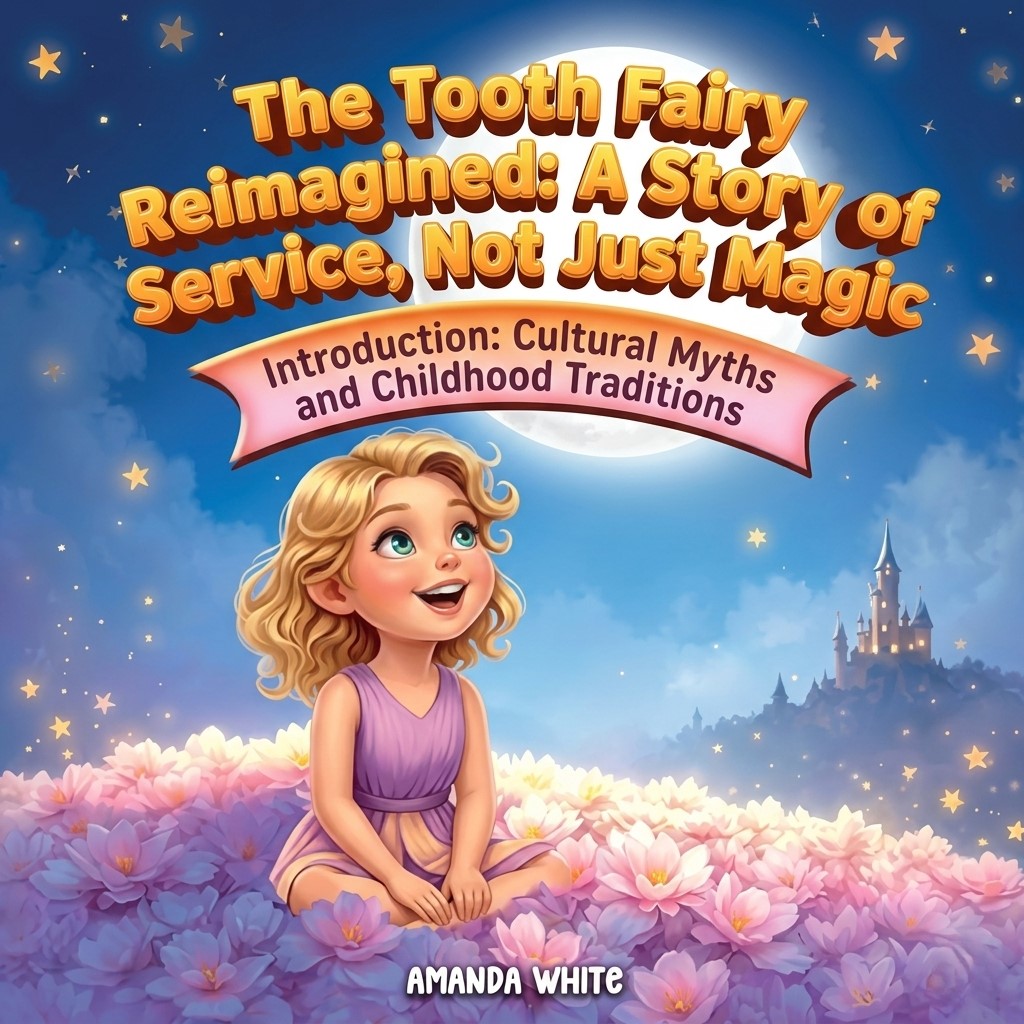
Introduction: Cultural Myths and Childhood Traditions
Across cultures, childhood is wrapped in small rituals that help make sense of growing up. In many Western households, one of the most beloved of these traditions is the visit from the Tooth Fairy. A tiny, glittering figure who trades lost teeth for coins under pillows, she transforms a simple biological milestone into something magical.
But myths are rarely just entertainment. They are symbolic tools that help children process change, manage uncertainty, and interpret the world around them. From bedtime stories to holiday traditions, these rituals anchor emotional experiences in meaning. The Tooth Fairy, often dismissed as a whimsical custom, holds deeper psychological and moral potential than we might initially assume.
What if we reimagined the Tooth Fairy not merely as a magical collector of teeth, but as a symbol of service, growth, and responsibility? What if the story evolved from “magic happens to you” into “you are part of something meaningful”? When reframed thoughtfully, this small tradition can teach powerful lessons about care, contribution, and personal development.
The Tooth Fairy as a Symbol of Responsibility
Losing a tooth is one of the first tangible reminders that a child is growing up. It can feel exciting, but also slightly unsettling. There is a sense of change, of something old making way for something new. The Tooth Fairy tradition softens that transition.
Yet beneath the sparkle lies an opportunity to introduce responsibility.
Instead of presenting the Tooth Fairy as a mysterious being who simply rewards tooth loss, parents can shape the narrative around care. The Fairy can be described as someone who collects teeth to build something meaningful, perhaps fairy libraries, star bridges, or healing charms. In this version, the child isn’t passively receiving magic; they are contributing to a larger purpose.
This subtle shift reframes the exchange. The coin is not just a payment, but it is gratitude. The child learns that even small parts of themselves, like a tiny tooth, have value and can be used in the service of something beyond them.
Responsibility can also be woven into the ritual through oral hygiene. When children understand that taking care of their teeth helps the Tooth Fairy in her important work, brushing and flossing become acts of participation rather than chores. The story supports healthy habits without lectures. The magic reinforces discipline.
In this way, the Tooth Fairy becomes a quiet mentor of teaching that growth involves stewardship of oneself.
Helping Children Feel Safe and Celebrated
There is a vulnerability in losing a tooth. Blood, discomfort, and the strangeness of a gap-toothed smile can make children anxious. The Tooth Fairy ritual transforms potential fear into anticipation.
The small ceremony of placing the tooth under the pillow, whispering hopes into the night, creates emotional containment. It reassures children that change is not chaotic; it is meaningful. Something watches over milestones. Something celebrates them.
When parents engage intentionally, the ritual becomes even more powerful. A handwritten note from the Fairy acknowledging bravery, kindness, or responsibility can affirm qualities beyond appearance. Instead of focusing only on the physical event, the celebration expands to character.
This approach strengthens a child’s sense of safety. They learn that growth is seen. Effort is noticed. Milestones are honored.
Children thrive when ordinary transitions are ritualized. A coin under the pillow may seem small, but the message beneath it can echo loudly: “You are growing, and that is wonderful.” When framed as service, the Tooth Fairy does more than reward; it recognizes courage and participation in life’s unfolding stages.
Transforming Fantasy into Moral Purpose
Fantasy is not escapism for children; it is rehearsal. Through imagination, children experiment with values, roles, and emotional responses. The Tooth Fairy story can become a gentle vehicle for a moral purpose.
Imagine telling children that the Fairy uses teeth to repair broken fairy doors, craft instruments for baby sprites, or build lanterns that light dark forests. Suddenly, the exchange is rooted in generosity. The child becomes a helper.
This narrative teaches an early lesson: what we release can benefit others. Growth often requires letting go. Even something that feels personal can serve a broader good.
Parents can extend the ritual into acts of real-world service. Perhaps part of the Tooth Fairy’s gift is set aside in a “kindness jar.” Maybe each lost tooth inspires a small act of writing a thank-you note, helping a sibling, or donating a toy. The magic story becomes a bridge to lived values.
When fantasy connects to purpose, children begin to internalize empathy. They see themselves not only as recipients of care, but as contributors. The sparkle remains, but now it illuminates character.
This reimagined Fairy models service. She collects, yes, but she gives more than she takes. She transforms what is discarded into something beautiful. That metaphor quietly teaches resilience and generosity.
How Rituals Create Emotional Milestones
Childhood passes in fleeting increments in their first steps, first words, and first lost tooth. Rituals slow time down. They signal: “This matters.”
Psychologists often note that repeated, meaningful rituals build emotional security. They provide predictability during change. The Tooth Fairy visit is brief, but it is anticipated, enacted, and remembered. It becomes part of a child’s personal mythology.
When parents approach it intentionally, the ritual becomes layered:
- Preparation: The careful placement of the tooth.
- Anticipation: The hope and curiosity before sleep.
- Discovery: The morning reveal.
- Reflection: The conversation about growth and gratitude.
Each stage reinforces emotional processing. The ritual becomes a marker of becoming.
As children age and eventually discover the truth, the meaning does not collapse if it has been rooted in values rather than illusion. Instead, the story evolves. They may become “helpers” for younger siblings. The magic shifts from belief to participation.
This is the quiet brilliance of childhood traditions. They are scaffolding. They hold space for innocence while introducing responsibility. They celebrate change without fear.
Reimagining the Tooth Fairy as a figure of service allows the ritual to grow alongside the child. It preserves wonder while cultivating purpose. It turns a simple exchange into a symbolic lesson: growth is not just about what we gain, but how we give.
In the end, the sparkle under the pillow is not merely about coins or wings. It is about honoring transformation. It is about teaching that every stage of becoming holds value. And perhaps most importantly, it reminds children that even the smallest parts of their journey can contribute to something larger than themselves.