

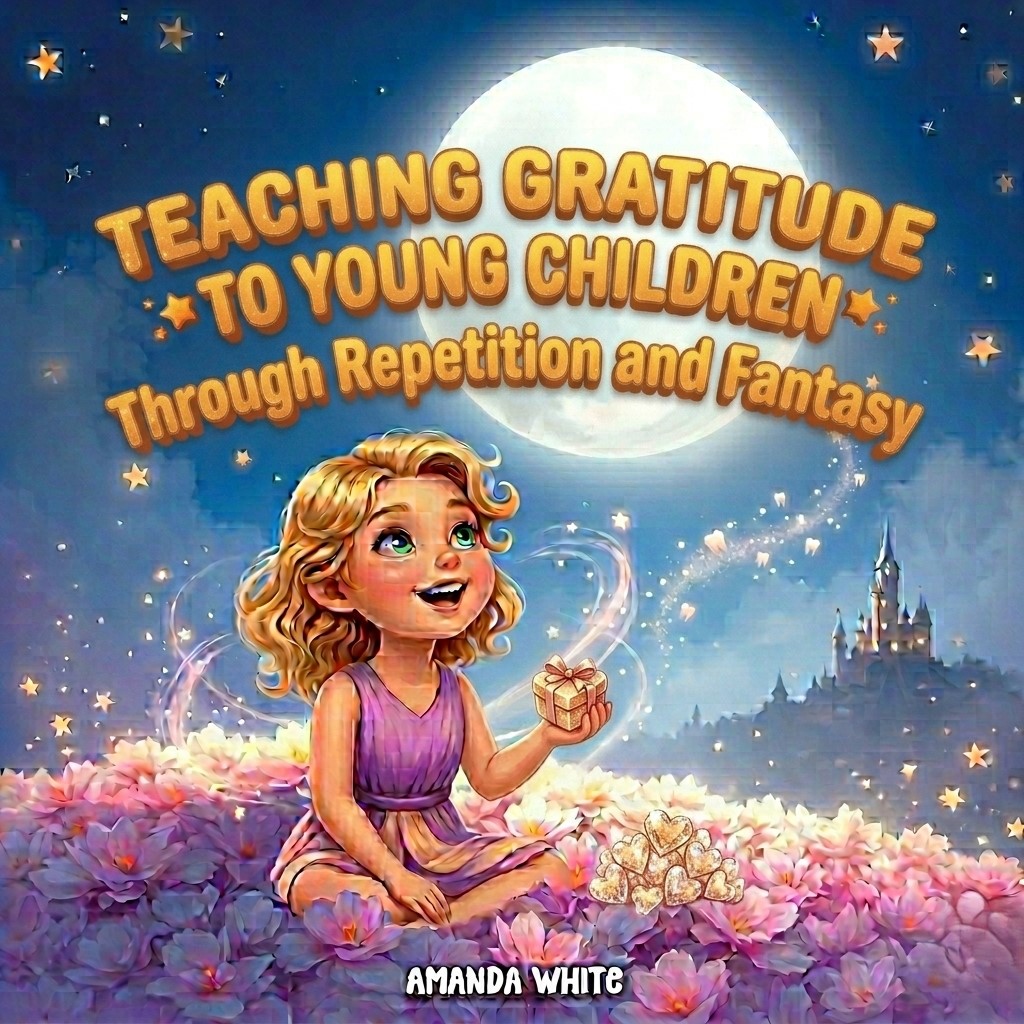
Gratitude is one of the most important social and emotional skills a child can develop. Children who learn to appreciate the people, experiences, and small joys in their lives tend to be happier, more empathetic, and better able to cope with challenges. Yet, teaching gratitude can be tricky, especially for young children who live in a world of instant gratification and fleeting attention.
One of the most effective ways to instill gratitude is through repetition and fantasy. By combining the structure of repeated practices with imaginative stories, parents and educators can create a fun, engaging, and lasting approach to cultivating appreciation in young minds.
Why Gratitude Matters in Early Childhood
Gratitude is more than saying “thank you.” It involves noticing what is good in one’s life, recognizing the contributions of others, and reflecting on personal blessings. Research shows that children who practice gratitude demonstrate stronger social bonds, better emotional regulation, and greater overall well-being.
However, for young children, the concept can feel abstract. They may struggle to connect internal feelings with external expressions. Repetition and fantasy help bridge this gap. Repeated storytelling, rituals, or prompts make the practice familiar and reliable, while fantastical elements engage imagination and make the lessons memorable.
Using Repetition to Reinforce Gratitude
Repetition is a powerful tool for learning. When children encounter the same storylines, phrases, or rituals daily, the concepts become familiar and easier to internalize. For example, reading a short story each night where a character expresses gratitude, like a fairy thanking her forest friends for help, repeatedly reinforces the behavior.
Parents can enhance this approach with consistent routines. For instance:
- Daily “Gratitude Moments”: Ask children to name one thing they are thankful for at breakfast or bedtime.
- Repetitive Storylines: Choose books or stories with recurring gratitude themes to emphasize noticing kindness and blessings.
- Simple Mantras: Encourage children to repeat phrases like “I am thankful for…” or “I appreciate…” to make gratitude a natural habit.
Through repetition, gratitude becomes more than an abstract idea; it becomes a practiced, familiar part of daily life.
Fantasy as a Vehicle for Imagination and Empathy
Fantasy allows children to step outside themselves and explore new perspectives. Magical characters, enchanted forests, and talking animals create engaging contexts where children can see gratitude in action.
For example, imagine a story where a young wizard receives help from forest creatures to complete a magical task. By witnessing the character’s appreciation, children see the emotional and social impact of gratitude. They learn that acknowledging the efforts of others is not only polite but also strengthens relationships and fosters cooperation.
Fantasy also makes lessons fun. A playful fairy who thanks her friends for small favors or a dragon who expresses gratitude for care and guidance demonstrates that appreciation is universal. Children connect emotionally with these characters, making it easier to internalize similar behaviors in their own lives.
Combining Repetition and Fantasy
The real power of teaching gratitude emerges when repetition and fantasy are combined. Daily or frequent engagement with fantastical stories provides multiple exposures to gratitude in context. Children can revisit favorite stories, reflect on characters’ experiences, and relate them to their own lives.
For instance, a bedtime ritual could involve reading a story about a fairy helping a friend, followed by a discussion prompt: “How did the fairy show gratitude? Can you think of something kind someone did for you today?” By connecting story repetition to reflection, children gradually learn to recognize blessings, express appreciation, and develop empathetic understanding.
Practical Tips for Parents and Educators
Here are several ways to reinforce gratitude through repetition and fantasy:
- Create Story-Based Reflection: After reading a story, encourage children to recall moments of gratitude and relate them to their own experiences.
- Use Magical Metaphors: Compare small acts of kindness or daily routines to magical events in stories. For example, “Every time you thank someone, it’s like planting a magic seed.”
- Consistency is Key: Set a regular schedule for bedtime, morning circle, or mealtime to practice gratitude, making it part of the routine.
- Encourage Creative Expression: Children can draw or act out moments of appreciation from the story, connecting imagination with personal reflection.
- Celebrate Effort: Praise children when they express gratitude naturally, reinforcing that noticing and acknowledging others is a valued behavior.
These strategies transform gratitude from an abstract concept into a concrete, repeatable, and enjoyable practice.
The Emotional Benefits of Story-Driven Gratitude
When gratitude is taught through repetition and fantasy, children experience both emotional and social growth. They develop empathy by seeing how appreciation affects others, patience by waiting for opportunities to express thanks, and joy by noticing positive aspects of their environment. Over time, these skills enhance relationships with peers, family, and educators, while also fostering resilience and self-awareness.
Moreover, repeated engagement with magical stories helps children understand that gratitude is not limited to big events, but it is woven into daily life. A small act, like sharing a toy or saying “thank you,” carries as much weight in story-worlds as grand gestures, reinforcing the value of everyday kindness.
Conclusion: Making Gratitude Magical and Habitual
Teaching gratitude to young children doesn’t have to be a lecture or chore. By leveraging the power of repetition and fantasy, parents and educators can make appreciation fun, engaging, and memorable. Stories of magical characters, repeated daily or weekly, provide both concrete examples and imaginative metaphors that help children recognize blessings, value kindness, and express thanks naturally.
With consistent practice, these lessons become part of children’s emotional toolkit. They learn that gratitude is not just a word, but a habit, a magical way of seeing the world, appreciating the people around them, and nurturing positive relationships. By combining imaginative storytelling with structured repetition, gratitude becomes both a joyful experience and a lifelong skill, helping children grow into caring, mindful, and emotionally intelligent individuals.