

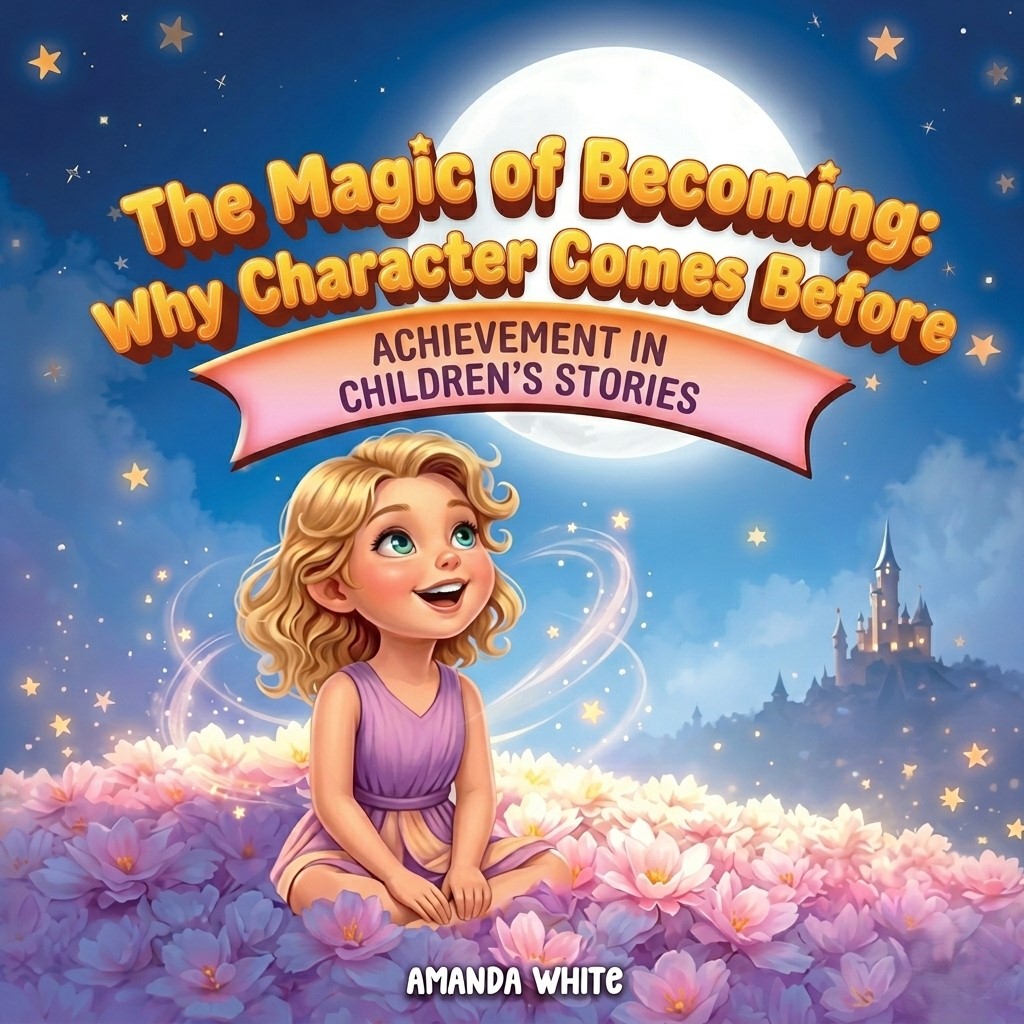
Children’s stories often dazzle with magical worlds, fantastical creatures, and heroic feats. Yet, beneath the sparkle and adventure lies a deeper lesson: in the most meaningful tales, character comes before achievement. Stories that emphasize patience, empathy, and moral growth equip children with a foundation to handle life’s challenges, not just the thrill of success. Understanding this principle can help parents and educators guide children toward lasting emotional and ethical development.
Character as the Core of Storytelling
In many beloved children’s stories, the protagonist’s journey begins not with victory, but with the cultivation of inner qualities. Patience, courage, honesty, and kindness are often tested long before magical powers are fully realized or great accomplishments are achieved. This emphasis on character allows young readers to understand that external success is most rewarding when it grows out of a strong internal foundation.
For example, in stories where a young hero learns to listen, cooperate, or persevere, children see that achievements, like solving a riddle, winning a challenge, or gaining a magical ability, are not mere prizes. They are the natural result of consistent moral effort. By modeling these qualities, stories teach children that who they become internally is far more important than what they accomplish externally.
Patience as the Secret Ingredient
Patience is a recurring theme in character-driven stories. Characters who learn to wait, practice, or reflect before acting demonstrate that growth is often invisible until the right moment. This slow unfolding mirrors real-life development: children rarely master skills or relationships overnight.
Consider a tale where a young fairy struggles to grow her wings. The story may describe daily practice, small setbacks, and moments of doubt. Children learn that it is not immediate success but consistent effort, self-reflection, and resilience that lead to eventual transformation. These lessons carry over into everyday life, helping children cope with frustration, stick with challenging tasks, and celebrate incremental progress rather than demanding instant results.
Moral Choices Shape the Outcome
Children’s stories also highlight that character is tested through decision-making. A protagonist who demonstrates honesty, empathy, or fairness is rewarded not simply for skill or luck but for the choices they make in morally complex situations. These narratives teach that ethical behavior is not optional, but it is the backbone of meaningful achievement.
For example, a young character might be faced with the opportunity to take a shortcut to success by being dishonest. Observing the consequences of choosing honesty over convenience reinforces moral reasoning in young readers. Parents and educators can use these stories as springboards for discussions, asking questions like, “What would you have done?” or “How did making a kind choice help the character in the long run?” Over time, children internalize the idea that character informs outcomes, making achievements more fulfilling and sustainable.
Stories as Mirrors for Self-Reflection
One of the most powerful aspects of character-driven stories is their ability to act as mirrors. Children often identify with protagonists who face struggles, make mistakes, and grow through effort and reflection. This identification encourages self-awareness and emotional intelligence.
Through repeated exposure to such narratives, children begin to connect story events to their own lives. For instance, a child reading about a character who learns to share, wait their turn, or apologize may reflect on similar situations in their own experiences. This reflection promotes empathy, patience, and self-regulation, which are key aspects of moral and emotional development that underpin long-term success.
Fostering Lasting Habits Through Storytelling
When stories prioritize character over immediate achievement, they create lasting habits in children. The lessons learned are not fleeting; they become part of how children approach challenges, friendships, and personal growth. For example, reading about a character who practices perseverance every day encourages children to apply the same mindset to homework, sports, or creative endeavors.
Parents and educators can reinforce these lessons by discussing story moments, encouraging children to relate them to real-life decisions, and modeling similar behavior in daily life. This approach turns storytelling into an interactive experience that goes beyond entertainment, transforming stories into practical tools for character development.
The Balance Between Magic and Morality
The magic in children’s stories is often what first captures attention, but the real enchantment lies in the transformative journey. Characters who develop moral strength, patience, and self-awareness demonstrate that success is most meaningful when rooted in integrity. By highlighting character before achievement, stories teach that magic is not just about fantastical abilities, but it is also about the inner qualities that allow characters to use those abilities wisely.
For children, this lesson provides reassurance and guidance: it is okay to grow slowly, to make mistakes, and to focus on being good before being “great.” The joy of achievement is amplified when it follows thoughtful, ethical, and patient effort, reinforcing the value of the process as much as the outcome.
Conclusion: Becoming Before Achieving
Children’s stories have the unique power to shape both imagination and character. By emphasizing moral growth, patience, and thoughtful decision-making before celebrating achievement, these tales equip children with the tools to navigate real-life challenges with integrity and confidence.
The magic of becoming, as illustrated in countless beloved narratives, reminds parents, educators, and children alike that true success begins internally. By nurturing character first, stories encourage young readers to grow into individuals who achieve not just goals, but meaningful, lasting fulfillment.